Have you ever heard of the throat buddha or buddha bone? It’s real, and in Japan, it’s one thing when you’re alive and another thing when your dead. After being cremated, it’s plucked from the ashes with a pair of long metal chopsticks, discussed for a moment, and then placed inside an urn. The whole concept is utterly fascinating and beautiful and today I’ll tell you all about it as well as read a story of mine about the Buddha bone that was published in Weird Horror Issue 7.
Intro music:
Hey hey, this is Thersa Matsuura and you’re listening to Uncanny Japan. The place where I talk about all the more obscure parts of Japanese culture. Be it weird creatures, interesting superstitions, or creepy tales. There’s lore, there’s legends, there’s uncanny.
I hope you are well. There’s really no new news on my end. I’m fast approaching the deadline for my next book, so I’m digging in, nose to the grindstone, shoulder to the wheel. You get the picture.
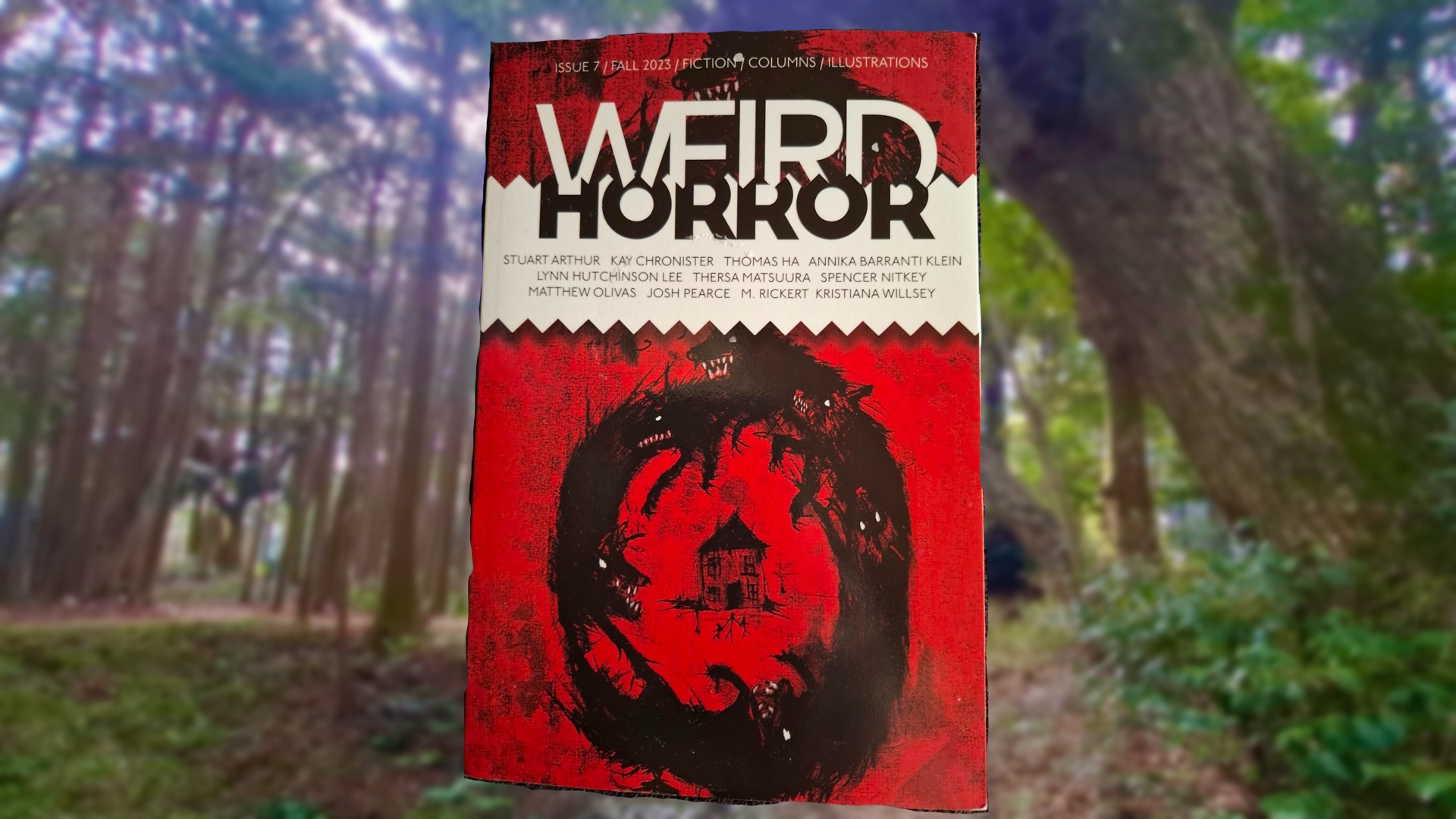
Today’s episode is about the nodo-hotoke, or throat Buddha and I’ll end with my story that came out in Weird Horror, published by Undertow Publications. I encourage you to look them up, by the way. And if you like short dark, sometimes horrific, weird stories, subscribe to or order some of their magazines. They put out quality fiction and the best cover art. I love Weird Horror.
No natural sounds today. The music you hear as a backdrop is from my son, Julyan Ray. I thought it was a nice vibe for the episode.
Also, a heads up and trigger warning: This whole episode is about death and cremation, as is my story. So I’ll talk about what a nodo-hotoke is and the whole ritual involved at a funeral dealing with one. If you’re not in the mood for that or it’s a little much. You might want to give this one a pass. But if your a little morbidly curious about this fascinating and I think beautiful bit of culture, here we go.
First, let me tell you about your Adam’s apple. In Japanese, this is called your nodo-hotoke, literally “throat Buddha”. I’ve always loved that, just like your uvula, you know the little fleshy thing hanging down in the back of your throat that stops foods and fluids from going into your nasal cavity when you swallow, is often called your nodo-chinko. Throat penis. Okay. Sorry. That was rude. But hilarious, really.
Back to throat Buddhas.
So while you’re alive, if anyone talks about your nodo-hotoke they are referring to your Adam’s apple. But a nodo-hodoke is different after your dead.
Here’s my theory on why the anatomy change after passing away. Why your throat Buddha is your Adam’s apple when alive and kicking, and your second vertebrae after death. Okay, this is me musing. So, cremation is done lying down flat, right? And a person’s Adam’s apple is not going to survive that heat. It’s just cartilage after all. But behind where the Adam’s apple would have been, if you’re lying flat, is your axis bone, or second cervical vertebrae near the top of your spine.
And it’s this thicker bone that survives cremation. It’s what you see in the ashes around the neck. So people of old just assumed it was the Adam’s apple, same place, and it’s kind of romantic to think of a small Buddha-shaped bone sitting in your throat.
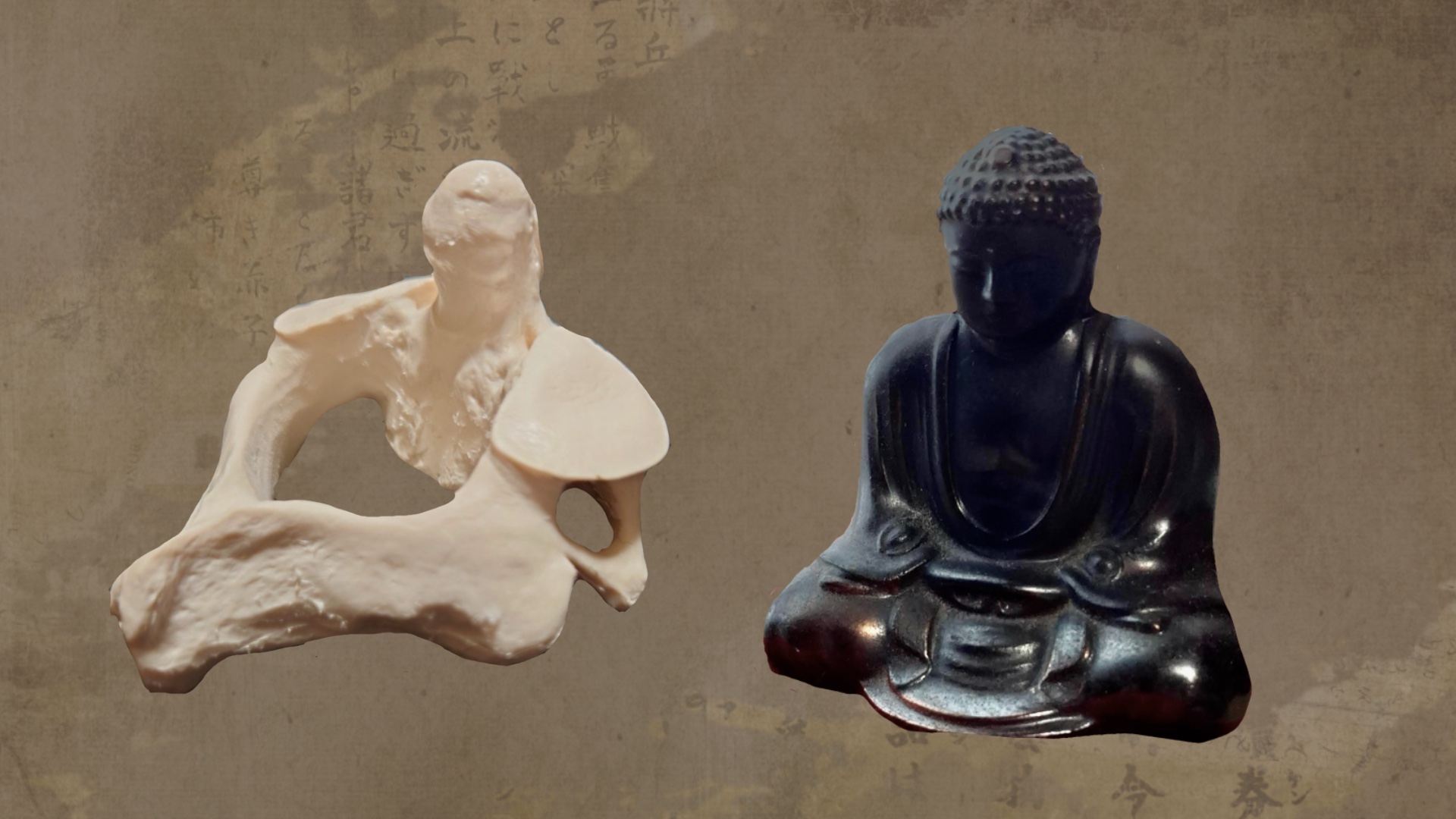
That brings us to why it’s called a Buddha Bone. I just said, actually. It indeed looks like a little Buddha sitting in meditation. It really does. Sorta.
I’ve been to several cremations and I know the ceremony and rituals do differ from place to place around Japan, but from what I’ve experienced, after the cremation, the family gathers around and taking turns, use long chopsticks to place the charred pieces of bones that remain into the urn.
These bones are called ikkotsu or okotsu. And for the ones I’ve attended we just went around once, didn’t have to pick up everything. There will be a person from the crematorium who is there with you and guides you. They walk you through what to do and explain things. They will also sweep up the ash and add it to the urn along with all the extra bones the family didn’t pick up.
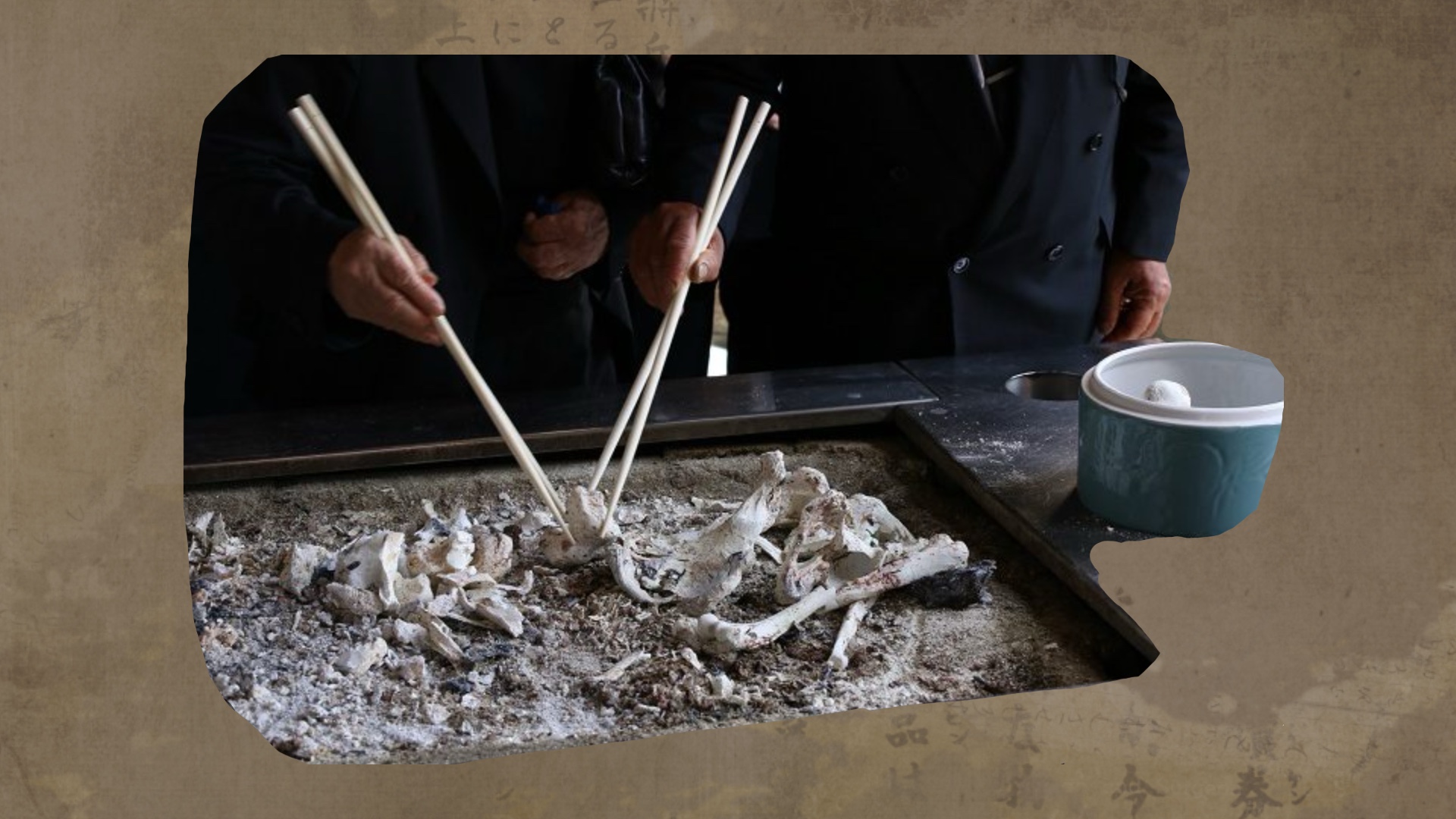
Superstition alert: this is why in Japan you never pass a piece of food from your chopsticks to another person’s chopsticks. If you want to pass food, you set it down on their plate or a neutral saucer and they pick it up. Passing it from person to person resembles this practice and is bad luck.
Bones are placed into the urn from feet to head. You don’t want to be placed in upside down. When the head is reached, the last bone to be set inside in the urn is the nodo-hotoke, throat Buddha or Buddha bone. The crematorium attendant explains what it is and any lore around it. I was told once that it’s the most important bone in the body, the actual seat of the person’s soul. This was a Pure Land Buddhist funeral, by the way. Once after examining it, we were told the nodo hotoke wasn’t very blemished and that meant they lived a good life and they’d be reborn into the Pure Land, paradise.
All very fascinating, don’t you think?
And now let me read you my dark story “The Buddha Bone” that was published in Weird Horror, in the fall of 2023. A couple things I should tell you for context: A hifuki-take is basically a long, thin bamboo tube used for blowing into fires to stoke them. And a hyottoko is a comical character or mask, of a man or boy with his lips puckered and skewed to the side — like he’s blowing into a hifuki-take. Hyotto comes from hi (fire) and otoko (man).
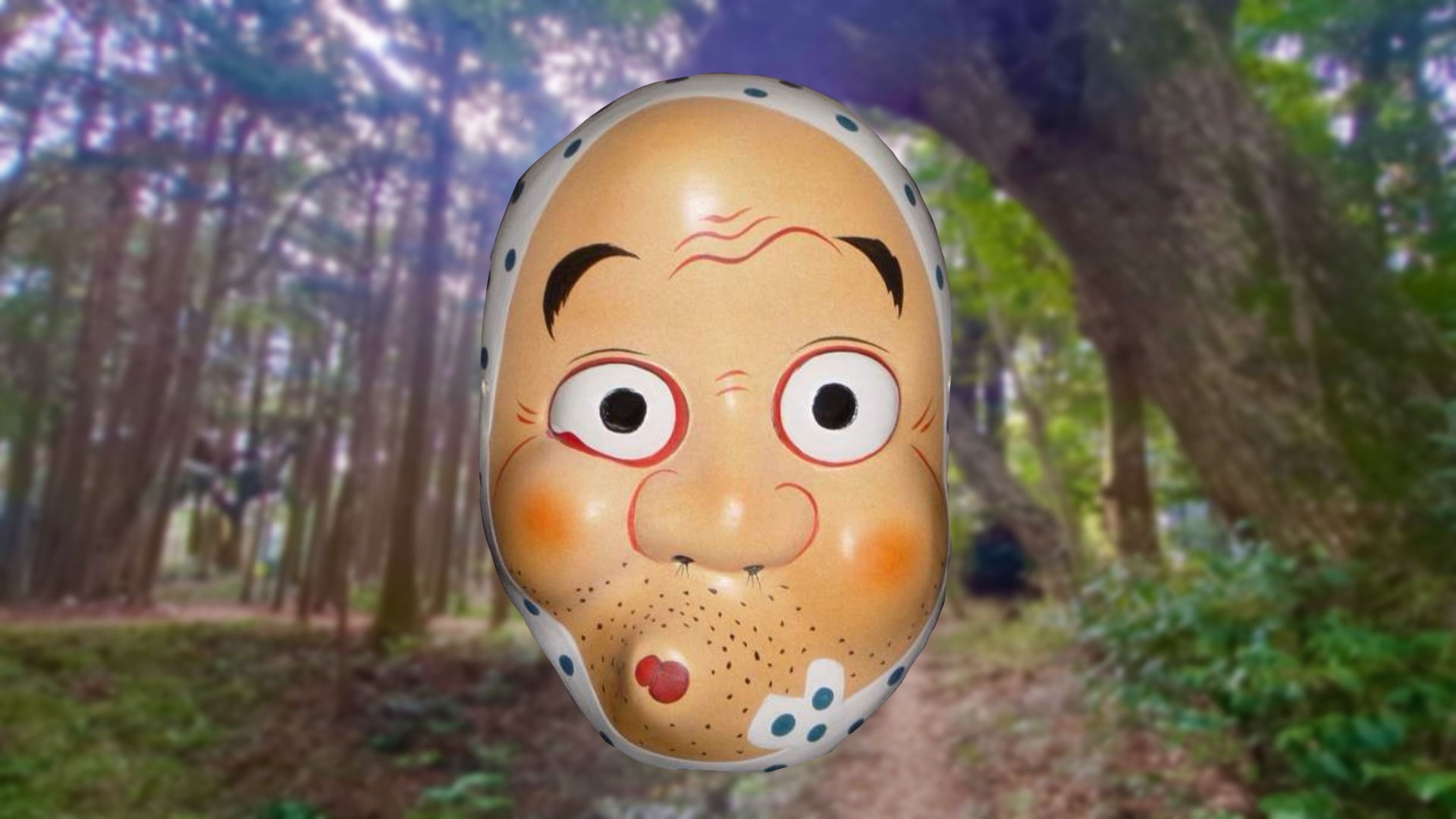
And here we go.
Thank you all for listening, stay safe and well. I’ll talk to you again in two weeks.
Previous